Imagine departing on a flight from London Gatwick on a rather grey morning, to arrive in Barcelona less than two hours later and transfer for a truly delicious seafood lunch by the beach just 20 minutes from leaving the airport. Spain to me is often an unsung travel hero, with such a wealth of fabulous destinations and delights in store, all a relatively short journey from the UK. A world away in culture, cuisine and climate, I was very fortunate to join a small group to experience highlights of a two-centre trip during mid-October and enjoyed every moment.
Thinking I'd mis-heard the pronunciation, Badalona is a seaside neighbourhood just a short drive from Barcelona, with a lovely beach and restaurant in pole position overlooking the ocean. Dining with the background sound of the sea lapping the shore was so uplifting.
As a welcome lunch the speciality rice dish with lobster, langoustines, cuttlefish and prawns accompanied by a chilled glass of regional white wine set the tone for a gastronomic four days ahead.
Suddenly tiredness from the early morning start had totally evaporated and the onward hour's road journey to Girona went very swiftly. Just south of Girona is the wonderful Hotel Camiral at PGA Catalunya Resort www.pgacatalunya.com With 145 bedrooms, excellent meeting and event space for 10-450 attendees, the renowned golf course is ranked as one of the top three in Spain and top six in Europe. The appealing light and airy interior architecture and design make this a very comfortable and attractive hotel.
Hotel Camiral is also the perfect base to explore nearby Girona, rich in medieval history and architecture, with a fascinating Old Quarter and Roman remains. Following a one-hour walking tour learning about the history of the region and spoilt for choice with gourmet restaurants for dinner, I couldn't resist ordering delicious truffle pasta at Cal Ros, being mid-October and truffle season...
It seemed ironic not to participate in the golf clinic at this hallowed destination, but for the non-golfers amongst us, there was the chance to enjoy some warm 24 degrees Centigrade sunshine lounging by the outdoor pool. In the Winter season for ski aficionados, snow slopes of the Pyrenees are only a one-and-a-half hour drive away over the border in France.
After another fabulous lunch including the best anchovies ever, calamari, cod croquettes, razor clams and the ubiquitous tomato bread, this time at a funky beach taverna in the seaside neighbourhood of S'Agaro, we went for a wine tour featuring two completely different producers. First stop was to a traditional farm location where the same family has been lovingly producing wine in the same way for centuries, the only concession to change when electricity was installed. The grapes are grown organically and according to ancient bio-dynamic principles, in tune with the phases of the moon.
After a tasting we then continued on foot for a scenic hike over the hillside to an ultra-modern facility utilising the latest technology to produce more sophisticated wines but equally delicious.
A farewell dinner at the Hotel Camiral concluded the first part of our journey, with a road transfer the following morning to The Almanac Barcelona www.almanachotels.com Newly awarded the Conde Nast Traveller Best Hotel in Barcelona Award, this centrally located city hotel is perfectly placed to offer guests a very chic and comfortable stay. With 61 rooms and 30 suites, the latest technology in all the bedrooms provides a free-to-use smartphone for unlimited national and international calls and a bedside 7" tablet provides information on the city and hotel services. There are five different meeting and event spaces with capacities ranging from 10-100 people.
Easy walking distance or a bike-ride away, you're spoilt for choice with places to visit such as the famed Gaudi design Sagrada Familia Church, Placa de Catalunya, the Ramblas, as well as excellent shopping, Picasso and Textile Museums and so much more... We explored the fascinating area of El Born, full of independent boutiques and perfect for a gastronomic walking tour to sample an array of tapas. Catalunya is home of Vermouth, so it was fitting to try this aperitif of fortified red wine as our first experience of Barcelona.
A pre-dinner signature gin-based cocktail at the Azimuth Rooftop Terrace and Lounge at The Almanac was the perfect start to our final dinner in the hotel's Linia restaurant. Described as a Mediterranean brasserie, the food was certainly fine dining level and superb.
With a morning sailing offered as the concluding activity in the programme, we were able to make the most of a final lunch at the Maritim Restaurant by the harbour before heading back to the airport for our homeward flight. Even though we'd had a succession of incredible meals I couldn't wait to try the excellent Tiramisu I'd ordered for dessert...
Huge thanks to the wonderful Jo Beames for inviting me to join the group for the Spanish adventure. The Hotel Camiral and The Hotel Almanac are just two of the fabulous hotels in the JG Collection www.jg-collection.com All of the properties in the portfolio, from the UK, to Spain, France, Italy, Turkey, New York City and the Caribbean, share the highest levels of service, professionalism and style.
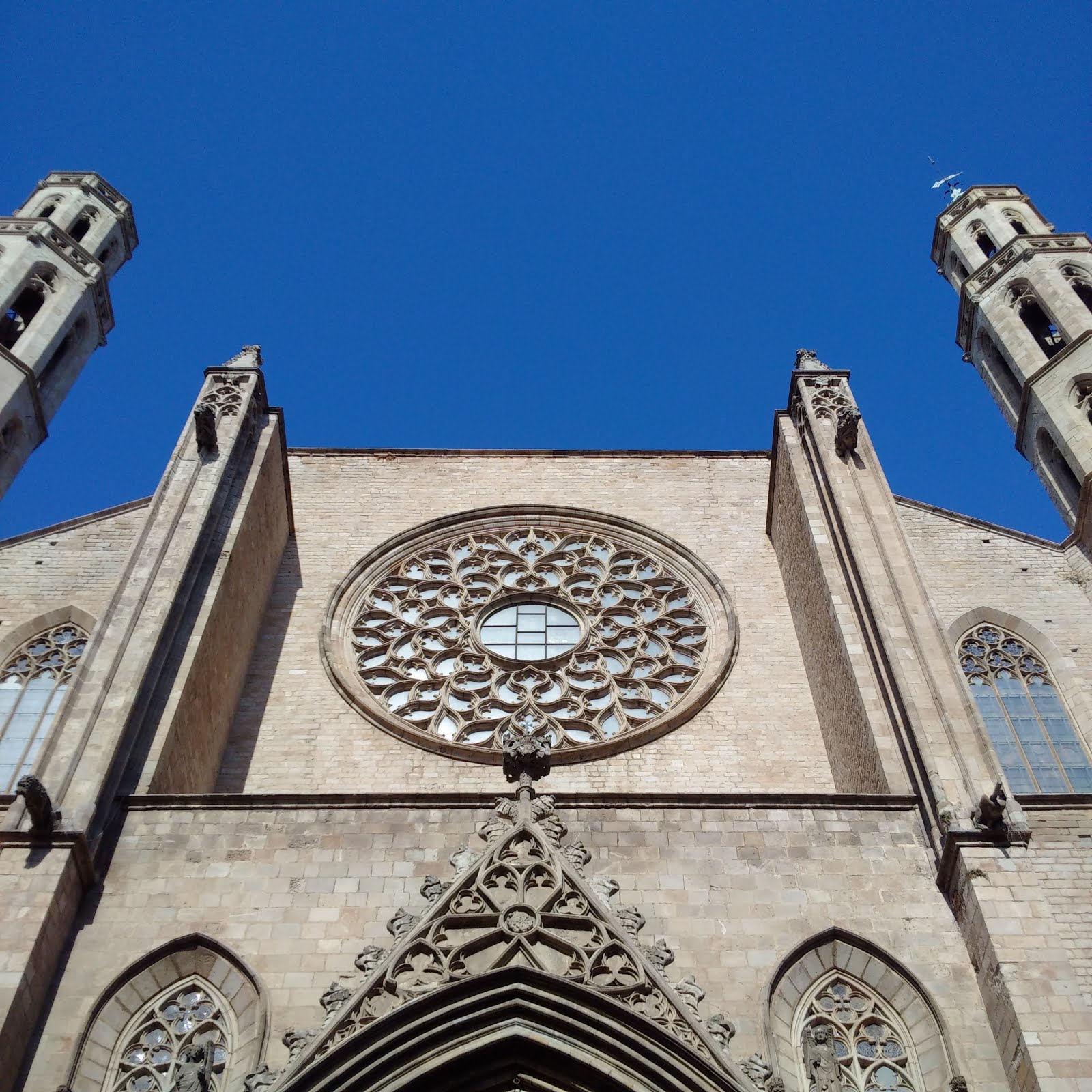
Basilica of Santa Maria del Mar, Barcelona
Wednesday, 16 October 2019
Friday, 20 September 2019
Late Summer at Parham
The tail-end of Summer always has that 'back-to-school' feel to it and the shift in seasons brings the chance to review the year's progress and focus on plans for the fresh 'term' ahead. Making the most of such beautiful weather I visited the fabulous Parham House and Gardens, situated near Pulborough in West Sussex. This special place has been a family home since the building first began in 1577. The leaflet you're given on arrival states how "Its beauty and peace have changed little over the centuries." I think Parham has a wonderful atmosphere which supports Simon Jenkins' quote: "Nothing at Parham is superfluous, nothing unloved. It is a house of magic". He awarded Parham five stars, placing it in his Top 20 of "England's Thousand Best Houses".
This week, the gardens were a jewel-box of floral splendour:
The vibrant colours of all the flowers, foliage and trees really seemed to pop with the incredibly blue sky overhead. There was the buzzing hum of insects busy about their work and a light perfume of the last of the Summer blooms filled the air.
Visiting Parham had been a spontaneous decision and although I live just a 20-minute drive away I had not been for a few years. Re-visiting the house was a treat and I particularly loved seeing the beautiful flowers in all the rooms. The tradition of having an abundance of flowers from the Garden to decorate the House was originally started in the 1920's.
I'm so pleased I took time to really savour being at Parham. It truly is an enchanting and inspiring place to be, full of wonderful stories and living history. A place away from any hustle and an ideal location to enjoy a long moment of calm.
Sunday, 28 April 2019
Incredible India
India weaves her magic and somehow draws you back... The traditional welcome of a garland of scented flowers such as heady jasmine along with a vermilion dot placed ceremoniously on your forehead, to experiencing the skilled crafts people making jewellery, weaving and creating intricate paintings. Each has a story to tell. The aroma of street food being prepared from flat breads to savoury pastries, market stalls piled high with everything from colourful bangles to clothes and there are cows randomly wandering along the streets. Their sacred status affording them right of way. Monkeys shrieking and jumping from corrugated rooftop to the next in the tangle of alleyways that form hectic Chandri Chowk in Old Delhi. Tuk-tuk rides not for the faint-hearted as drivers launch out into the chaos of the busy roads, although seemingly unwritten rules prevail and the heavy, noisy traffic flows as if following a complicated dance routine. Everything seems dialled up to the maximum, with extremes of wealth and poverty.
Hauntingly beautiful mantras sung in a deep spiritual voice at an unexpected music performance whilst exploring the impressive Mehrangarh Fort in the 'Blue City' of Jodhpur, to the signature scent aromatherapy oil exotic with frankincense perfuming the air whilst staying at the boutique Raas Haveli there and a tempting cocktail from the rooftop bar enjoying the warm evening breeze with views reminiscent of the film Best Exotic Marigold Hotel, are just a few of the special and evocative memories which have left a deep resonance to be savoured.
Originally launched as a tourist campaign by the Government of India in 2002, the spelling as 'Incredible !ndia' still actively encapsulates the amazing experiences travelling there provides. India has the second largest population in the world (after China) at 1.3 billion. Rajasthan, known as the 'Land of Kings', is particularly rich in culture and heritage. As one of the 29 Indian states, it is located in the north of the country near Pakistan. I arrived in New Delhi, the capital of India with a population of around 20 million people and one of the most polluted cities on earth. From leaving the airport terminal building the whole essence of India envelops you. This was my second trip to Rajasthan and the assault on the senses was as vivid as I had encountered on my first visit eight years ago.
As the starting point for the famed Golden Triangle route from New Delhi, my itinerary took in Agra for the iconic Taj Mahal stunning marble mausoleum completed in 1653 and one of the Seven Wonders of the World, followed by Jodhpur and then an overly long road journey (nine hours instead of the anticipated five and a half) to Jaipur known as the 'Pink City' - so called for the rose colour sandstone used in many iconic buildings (or possibly from when the city was painted pink to welcome the State visit of Prince Albert, the Prince of Wales, in 1876), finishing back in New Delhi for my return flight to the UK.
It's true that you see all of India at a train station. Large families and groups of travellers patiently wait sitting on the concrete floor for lengthy train connections, passing the time by sleeping or sharing food, beggars ranging from young children to disabled elderly are at every turn, the acrid smells and incoherent loud tannoy announcements invariably make train travel more of an adventure than bargained for, but going by train is a chance to truly experience aspects of India otherwise missed. We took the efficient Gatimaan Express from Delhi to Agra, meaning we could visit the Taj Mahal as a comfortable day trip with a journey time of one hour 40 minutes each way in air conditioned comfort. I was reminded of an encounter Michael Portillo enjoyed whilst on his Indian Railway Journeys television series, when a fellow passenger had an impromptu dance in the busy carriage with him, exclaiming 'Balle Balle' which is a Punjabi expression similar to 'whoop whoop' expressing a feeling of happiness. The smiling man shared his wonderful advice of: 'Live life laughing, no stress, no tension'. There is above all a positivity in India that's hard not to be touched by. Balle Balle indeed.
Monday, 21 January 2019
Spirit of Sedona
Flying in to Phoenix, Arizona, from London on New Year's Eve was the start of a new American adventure and chance to visit a destination I'd wanted to explore for years. Located a two hour drive north of Phoenix, Sedona has the reputation as a spiritual power centre which I was intrigued to experience. An unexpected snow storm had caused havoc in a State more used to high desert temperatures, but gave a beautiful freshness and rarely seen look to the famous red rock scenery.
Starting with a couple of nights Uptown I was able to explore the central attractions by taking a trolley bus tour, including a stop at the Chapel of the Holy Cross, impressively located and built into the red rock landscape.
Sedona has a year-round population of 10,000 inhabitants, but welcomes over three million tourists a year, which understandably puts a real strain on the town's infrastructure. Roads become clogged with slow moving traffic. Thankfully visiting off season, I was able to enjoy relative peacefulness. The scenery is truly stunning and the result of volcanic activity hundreds of millions of years ago, when the area was originally ocean. Human history dates back around 4,000 BC, with the Yavapai and Apache peoples moving in to the area in 1,400AD. The strong Native American Indian connection exists to this day, continuing the belief this is sacred land with unique vortex energies. The many vortex sites, or energy centres, are said to support healing and meditation. They certainly attract many hikers and visitors keen to feel the special energy of simply being here.
The effect of the vortex energy may be seen in the juniper trees as their trunks and branches react and twist to the energy instead of growing straight.
The territory of Arizona was first created in 1863 to control mineral resources during the Civil War and the first Anglo settlers arrived in Oak Creek Canyon in 1876. It was an entrepreneurial businessman with a general store and hotel, Carl Schnebly, back in 1899 who applied to establish a post office and used his wife's name, Sedona, as the nominated place name on the application form and so the town of Sedona was born.
As a backdrop to many Hollywood Western films, with their heyday in the 1940's the area began to attract some famous names, including Lucille Ball who owned a large property pointed out as part of the trolley bus tour. These days Sedona is a popular second home place with people keen to enjoy the great outdoors and play golf.
When I first checked in on arriving at the Orchards Inn, I was told Sedona is an 'early to bed, early to rise type of place'. Sure enough breakfast at the hotel was served from 6am-9pm and dinner in most restaurants was available until closing time around 8.30pm/9pm. The majority of people seemed to dine around 5.30pm/6pm. With such bitter cold weather, even with the occasional blue sky days, it was no hardship being indoors for a cosy evening.
The highlight of my trip was staying in Boynton Canyon and taking a hike up to the Kachina Woman rock. This dramatic looking location was both beautiful and uplifting. A local resident, Robert, climbs to the plateau daily in good weather (the high rock on the right side in my photo below) to play his flute from the top. The gentle music floats in the air and sounds quite magical.
Sedona was a fabulous place to be to start the new year, both invigorating and inspiring. Happy 2019 and wishing you wonderful travels!
Wednesday, 4 July 2018
Madeira in three ways
Madeira cake, Madeira wine and anticipation of Madeira the island were all on my mind as the plane made it's swift landing at Funchal Airport. I was there for the first time to enjoy a yoga holiday and fulfil the experience of seeing some of the island, which had long been on my wish list of places to visit.
First discovered around 600 years ago by Portuguese explorers, Madeira lies off the north west coast of Africa . The economy originally grew based on the cultivation of sugar cane and the slave trade, becoming the world's greatest producer of sugar at the end of the 15th century. Following a virus which decimated the sugar cane industry, this was followed by wine as the most important product in the 17th and 18th centuries. Madeira gained political autonomy from Portugal in 1976.
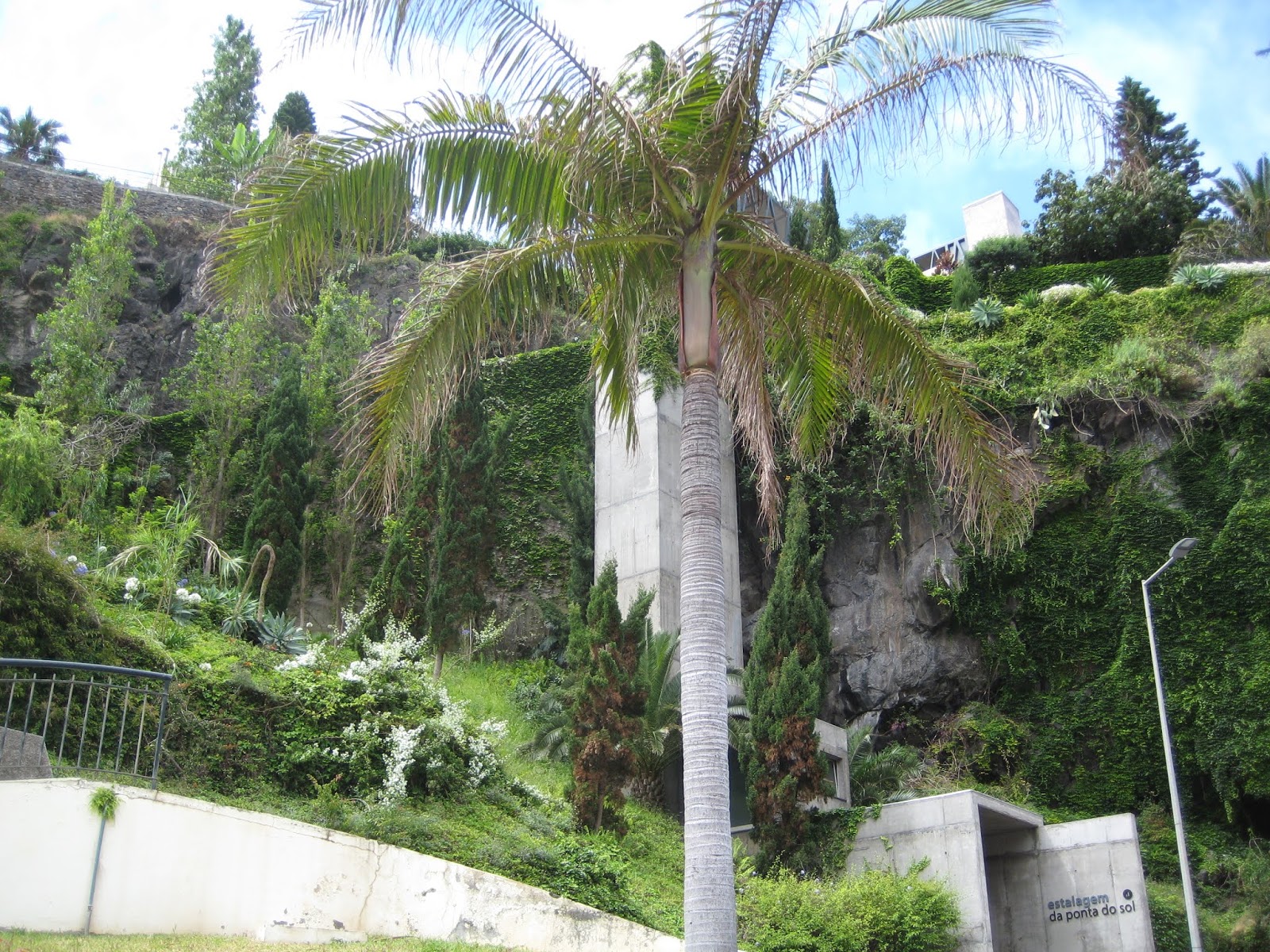
My destination was the small, traditional village of Ponta do Sol, around 30 minutes' drive from the airport and regarded as having the best climate in Madeira. The Estalagem Ponto do Sol is a boutique hotel with 54-rooms, all with expansive views of the Atlantic Ocean or hotel gardens. A lift takes guests from the road level to the hotel located on the top of a cliff.
Formed as a result of volcanic activity, Madeira does not have sandy beaches, but the dark rocky coastline makes for dramatic scenery. Particularly wonderful when relaxing by a lovely infinity swimming pool...
As well as sailing, there are various dolphin and whale watching trips available to make the most of the island's location.
Whilst green, with countless terraces of banana trees, Madeira's interior is very rugged providing many challenging walks and the chance to follow the ancient levada or irrigation channels originally constructed to distribute water to the more arid areas. There are lots of steep slopes and steps seemingly everywhere, so this really is an island ideally suited to activity holidays. Definitely best for the fit and adventurous traveller.
There are rewards along the way with natural wonders and incredible views.
Even though I was glad to experience the levadas, daily yoga sessions had tempted me to book the trip initially. Our group of 10 had the use of a lovely airy and private yoga studio at the hotel.
Not for anyone inclined to vertigo, this is the view from the hotel down to the beach...
It was definitely worth the short walk down to enjoy one of the beach cafes where I'd been recommended to try the salt cod croquettes. That was my favourite lunch of the whole trip and with a beautifully chilled glass of house white wine, the perfect indulgence.
On more level footing a look around the capital, Funchal, is definitely a must including a visit to the central market where some of Madeira's famous blooms may be seen (as well as at the renowned Botanical Gardens, reached by a cable car ride).
As for Madeira cake, this was not as we know it in England - where Madeira cake, or pound cake as it would be known in the U.S.A, is a vanilla plain cake. In Madeira the name is 'Bolo de Mel' or honey cake, made from molasses and delicious spices, also curiously made with no eggs which ensures longer storage. That is if it lasts that long as it is certainly very moreish. The tradition is to never cut the Bolo de Mel with a knife, just to tear off a portion instead (as metal reacts with the molasses to give an odd taste). Whether served with a glass of Madeira or cup of tea, it is a wonderful flavour of the island.
Perhaps one aspect of a holiday to Madeira which no one really mentions is the fact the island is often buffeted by Atlantic winds, which means the airport is sometimes subject to closure and flight delays. Also the short runway is not ideal for any passengers of a nervous disposition. Even though the island is sub-tropical, warm weather is not guaranteed. All that aside I'm glad I made the trip and thankfully my flight home was perfectly on time.
First discovered around 600 years ago by Portuguese explorers, Madeira lies off the north west coast of Africa . The economy originally grew based on the cultivation of sugar cane and the slave trade, becoming the world's greatest producer of sugar at the end of the 15th century. Following a virus which decimated the sugar cane industry, this was followed by wine as the most important product in the 17th and 18th centuries. Madeira gained political autonomy from Portugal in 1976.
My destination was the small, traditional village of Ponta do Sol, around 30 minutes' drive from the airport and regarded as having the best climate in Madeira. The Estalagem Ponto do Sol is a boutique hotel with 54-rooms, all with expansive views of the Atlantic Ocean or hotel gardens. A lift takes guests from the road level to the hotel located on the top of a cliff.
Formed as a result of volcanic activity, Madeira does not have sandy beaches, but the dark rocky coastline makes for dramatic scenery. Particularly wonderful when relaxing by a lovely infinity swimming pool...
As well as sailing, there are various dolphin and whale watching trips available to make the most of the island's location.
Whilst green, with countless terraces of banana trees, Madeira's interior is very rugged providing many challenging walks and the chance to follow the ancient levada or irrigation channels originally constructed to distribute water to the more arid areas. There are lots of steep slopes and steps seemingly everywhere, so this really is an island ideally suited to activity holidays. Definitely best for the fit and adventurous traveller.
There are rewards along the way with natural wonders and incredible views.
Even though I was glad to experience the levadas, daily yoga sessions had tempted me to book the trip initially. Our group of 10 had the use of a lovely airy and private yoga studio at the hotel.
Not for anyone inclined to vertigo, this is the view from the hotel down to the beach...
It was definitely worth the short walk down to enjoy one of the beach cafes where I'd been recommended to try the salt cod croquettes. That was my favourite lunch of the whole trip and with a beautifully chilled glass of house white wine, the perfect indulgence.
On more level footing a look around the capital, Funchal, is definitely a must including a visit to the central market where some of Madeira's famous blooms may be seen (as well as at the renowned Botanical Gardens, reached by a cable car ride).
As for Madeira cake, this was not as we know it in England - where Madeira cake, or pound cake as it would be known in the U.S.A, is a vanilla plain cake. In Madeira the name is 'Bolo de Mel' or honey cake, made from molasses and delicious spices, also curiously made with no eggs which ensures longer storage. That is if it lasts that long as it is certainly very moreish. The tradition is to never cut the Bolo de Mel with a knife, just to tear off a portion instead (as metal reacts with the molasses to give an odd taste). Whether served with a glass of Madeira or cup of tea, it is a wonderful flavour of the island.
Perhaps one aspect of a holiday to Madeira which no one really mentions is the fact the island is often buffeted by Atlantic winds, which means the airport is sometimes subject to closure and flight delays. Also the short runway is not ideal for any passengers of a nervous disposition. Even though the island is sub-tropical, warm weather is not guaranteed. All that aside I'm glad I made the trip and thankfully my flight home was perfectly on time.
Thursday, 12 April 2018
The Distillers' Charity Auction 2018
Arriving to the wonderful sound of live bagpipe music was an uplifting welcome to The Distillers' Charity Auction at Mercers' Hall, London, on Tuesday evening. Located in Ironmonger Lane in the heart of the City, Mercers' Hall is home to one of London's ancient livery companies and their elegant premises were the perfect venue for a black-tie event organised by the Worshipful Company of Distillers in aid of their charitable causes.
The Worshipful Company of Distillers was founded in 1638 by Royal Charter of Charles I and there are currently over 300 Liverymen (members), mainly involved with the spirits or wine trade. On Tuesday evening following a drinks reception with canapes, Christie's ran the highly professional as well as often amusing auction of 73 Lots from single bottles and collections, to special experiences including private distillery tours and tastings. Gavel prices ranged from £180 to a staggering £31,000 for a highly collectable bottle of Bowmore 1964. Attended by the Lord Mayor of London the evening was a great success. With the generosity of supporters, Lot donors and successful bidders, well over £200,000 was raised. All of the funds will go to support The Distillers' Charity Endowment Fund, The Alcohol Education Trust and OnSide Youth Zones, via The Lord Mayor's Appeal.
As a guest I felt privileged to be at such a unique occasion and enjoyed the fascinating insight to the world of fine and rare whisky. A few years ago I was fortunate to visit the Macallan distillery in Speyside, on a particularly memorable trip to Scotland. I loved the beautiful location as the natural scenery is truly stunning, plus all the culinary delights Scotland excels in from shortbread to the finest salmon. My maternal grandmother was from Edinburgh, so perhaps there's DNA in me inspiring me to return, to further explore my heritage and have the chance to learn more about whisky, as I'm rather partial to a 'wee dram' of single malt myself...
The Worshipful Company of Distillers was founded in 1638 by Royal Charter of Charles I and there are currently over 300 Liverymen (members), mainly involved with the spirits or wine trade. On Tuesday evening following a drinks reception with canapes, Christie's ran the highly professional as well as often amusing auction of 73 Lots from single bottles and collections, to special experiences including private distillery tours and tastings. Gavel prices ranged from £180 to a staggering £31,000 for a highly collectable bottle of Bowmore 1964. Attended by the Lord Mayor of London the evening was a great success. With the generosity of supporters, Lot donors and successful bidders, well over £200,000 was raised. All of the funds will go to support The Distillers' Charity Endowment Fund, The Alcohol Education Trust and OnSide Youth Zones, via The Lord Mayor's Appeal.
As a guest I felt privileged to be at such a unique occasion and enjoyed the fascinating insight to the world of fine and rare whisky. A few years ago I was fortunate to visit the Macallan distillery in Speyside, on a particularly memorable trip to Scotland. I loved the beautiful location as the natural scenery is truly stunning, plus all the culinary delights Scotland excels in from shortbread to the finest salmon. My maternal grandmother was from Edinburgh, so perhaps there's DNA in me inspiring me to return, to further explore my heritage and have the chance to learn more about whisky, as I'm rather partial to a 'wee dram' of single malt myself...
Thursday, 2 November 2017
Best of Bergen
Known as Europe's rainiest city, Bergen wouldn't appeal on it's weather record alone, but inspired by one of Paul Hollywood's City Bakes television programmes and with the chance to catch up with a dear friend over a long weekend, I went to discover the delights of Bergen for myself. Even though the Summer season officially finished at the end of September, I was so lucky to have blue skies and sunshine for most of my stay recently in October. Great weather was an unexpected bonus and made such a difference with sightseeing.
Just under two hours' flying time from London, Bergen is Norway's second city after Oslo and has many accolades - European City of Culture, World Heritage City and UNESCO City of Gastronomy. The photo above shows the old town, representative of how Bergen would have looked at the end of the 1600's (there was a major fire in 1702), complete with authentic wooden alleyways where originally trade was focused on the stockfish industry. This preserved cod from Northern Norway accounted for 80% of all exports, making Bergen a rich city as well as home to the Hanseatic League, a German trading company which operated in the North and Baltic sea regions for several centuries.
The red-timbered Bryggen Tracteursted is a historical restaurant serving traditional ingredients cooked with a contemporary twist and well worth a visit to try the specialty Prinsefisk or 'Prince Fish' steamed cod filet on asparagus, garnished with lobster, served with a white wine sauce and new potatoes.
Another favourite restaurant of mine was Lysverket located in a 1930's building housing an art museum. Michelin Guide recommended chef Chris Hatufts serves a delicious modern take on fish soup, although I had wonderful chicken salad featuring roasted carrots and lots of fresh dill. The perfect lunch...
Bergen is also famed as being the gateway to the Fjords of Norway. A half day cruise, complete with classical music by Grieg playing at scenic highlights was very atmospheric. Bergen was home to the composer Edvard Grieg and his music truly reflects the landscape he loved.
With such good weather a trip on the funicular railway 'Floibanen' was a must too, enjoying fabulous views from the top, at 320m above sea level:
Then a leisurely hour's walk back down through fern filled forest:
Followed by a slice of excellent carrot cake, lightly spiced with cinnamon and so freshly baked it was still warm, plus a restorative cup of coffee:
The neighbourhood view from our outdoor table was charming too:
A two-night stay and three full days was plenty long enough to fit in everything we wanted to do and as a city break Bergen really was a delight. Everywhere is within easy walking distance and impressively everyone speaks English. As a final note I must just mention a not-to-be-missed coffee shop, Godt Brot, where they bake a daily selection of boller, or seed bun. There are 12 varieties in total, all with cardamon, using all organic ingredients and the dough is made by hand. Definitely worth seeking out if you find yourself in Bergen (and they serve good coffee too)...
Just under two hours' flying time from London, Bergen is Norway's second city after Oslo and has many accolades - European City of Culture, World Heritage City and UNESCO City of Gastronomy. The photo above shows the old town, representative of how Bergen would have looked at the end of the 1600's (there was a major fire in 1702), complete with authentic wooden alleyways where originally trade was focused on the stockfish industry. This preserved cod from Northern Norway accounted for 80% of all exports, making Bergen a rich city as well as home to the Hanseatic League, a German trading company which operated in the North and Baltic sea regions for several centuries.
The red-timbered Bryggen Tracteursted is a historical restaurant serving traditional ingredients cooked with a contemporary twist and well worth a visit to try the specialty Prinsefisk or 'Prince Fish' steamed cod filet on asparagus, garnished with lobster, served with a white wine sauce and new potatoes.
Another favourite restaurant of mine was Lysverket located in a 1930's building housing an art museum. Michelin Guide recommended chef Chris Hatufts serves a delicious modern take on fish soup, although I had wonderful chicken salad featuring roasted carrots and lots of fresh dill. The perfect lunch...
Bergen is also famed as being the gateway to the Fjords of Norway. A half day cruise, complete with classical music by Grieg playing at scenic highlights was very atmospheric. Bergen was home to the composer Edvard Grieg and his music truly reflects the landscape he loved.
With such good weather a trip on the funicular railway 'Floibanen' was a must too, enjoying fabulous views from the top, at 320m above sea level:
Then a leisurely hour's walk back down through fern filled forest:
Followed by a slice of excellent carrot cake, lightly spiced with cinnamon and so freshly baked it was still warm, plus a restorative cup of coffee:
The neighbourhood view from our outdoor table was charming too:
A two-night stay and three full days was plenty long enough to fit in everything we wanted to do and as a city break Bergen really was a delight. Everywhere is within easy walking distance and impressively everyone speaks English. As a final note I must just mention a not-to-be-missed coffee shop, Godt Brot, where they bake a daily selection of boller, or seed bun. There are 12 varieties in total, all with cardamon, using all organic ingredients and the dough is made by hand. Definitely worth seeking out if you find yourself in Bergen (and they serve good coffee too)...
Monday, 25 September 2017
Taking the water in Bath
One of the loveliest cities in Europe, Bath in south west England is a UNESCO world heritage site. Arriving by train for my first visit in over 10 years, I was really happy to rediscover the many delights of this fabulous place. My first stop was for a delicious Bath bun and a coffee at the renowned Sally Lunn's, said to be the oldest house in Bath dating back to the 1680's.
The traditional Bath bun is very big, so half a toasted bun is the serving size and I chose the cinnamon butter version, a perfect energy boost before sightseeing. There's a small museum in the basement, recreating the old bakery, complete with model baker:
Sally Lunn's is in the centre of Bath, just around the corner from Bath Abbey. There has been a religious building on the site of the Abbey since Saxon times, evolving with the founding of a Benedictine monastery in the 8th Century AD, with the present building dating from 1499, making it the last great Gothic church in England.
Just steps away from the Abbey you'll find the Roman Baths. The promotional leaflet sets the scene perfectly..."Walk in the footsteps of the Romans as you explore one of the finest spas of the ancient world. See the ruins of the temple where worshipers prayed to the goddess Sulis Minerva and the bath house where they took the waters."
Unique in the UK, Bath Spa's hot mineral rich spring water originally fell as rain up to 10,000 years ago on the nearby Mendip Hills. On reaching the surface of the ground the water is around 46 degrees C / 115 degrees F, but naturally cools to the optimum bathing temperature of 35 degrees C / 94 degrees F. With over 42 minerals, Bath and its waters have a long association with well being as the water was said to cure all manner of skin conditions and ailments.
Back in the first century AD the Romans established an impressive lifestyle in Bath - the place they called Aquae Sulis. The museum housed within the Roman Baths does an excellent job at recreating the experience of living at that time and is well worth a visit. Sampling the hot mineral water is not to be missed, with it's distinctive taste which you feel just has to be doing you good.
The word Spa comes from the Latin phrase 'Salus Per Aquam' or 'health through water'. Although the original Roman Baths have long been closed to bathers, there are two options if you'd like to try a dip in the spa water yourself. Either the public access Thermae Bath Spa with it's open air rooftop pool, or at the fabulous Gainsborough Bath Spa Hotel. This centrally located five star boutique hotel offers a wonderful Bath House experience in it's luxurious private spa. Starting with a short spa consultation I was given a small pouch of salts infused with a chosen essential oil, which I was to inhale at various times going around the complex to enhance well being - including alternating between the hot mineral water pools and cold showers, infrared sauna or steam rooms. A truly relaxing and reviving experience, one I'd definitely love to repeat.
The Georgian age was a golden era for Bath, with Jane Austen one of the most famous residents in Regency times and Beau Nash encouraged the fashionable set to 'take the waters' in the Pump Room. Built in the second half of the 18th Century, John Wood the Younger designed the iconic Royal Crescent comprising 30 houses.
Number One is now a museum and as a restored Georgian townhouse, gives a true impression of the interiors of the time. The costumed character at the door welcomes visitors from all over the world.
Pulteney Bridge is another architectural highlight and takes you over in the direction of the Holburne Museum. I didn't have time to fit in going to this gem, but it's always good to have a reason to return...
The traditional Bath bun is very big, so half a toasted bun is the serving size and I chose the cinnamon butter version, a perfect energy boost before sightseeing. There's a small museum in the basement, recreating the old bakery, complete with model baker:
Sally Lunn's is in the centre of Bath, just around the corner from Bath Abbey. There has been a religious building on the site of the Abbey since Saxon times, evolving with the founding of a Benedictine monastery in the 8th Century AD, with the present building dating from 1499, making it the last great Gothic church in England.
Just steps away from the Abbey you'll find the Roman Baths. The promotional leaflet sets the scene perfectly..."Walk in the footsteps of the Romans as you explore one of the finest spas of the ancient world. See the ruins of the temple where worshipers prayed to the goddess Sulis Minerva and the bath house where they took the waters."
Unique in the UK, Bath Spa's hot mineral rich spring water originally fell as rain up to 10,000 years ago on the nearby Mendip Hills. On reaching the surface of the ground the water is around 46 degrees C / 115 degrees F, but naturally cools to the optimum bathing temperature of 35 degrees C / 94 degrees F. With over 42 minerals, Bath and its waters have a long association with well being as the water was said to cure all manner of skin conditions and ailments.
Back in the first century AD the Romans established an impressive lifestyle in Bath - the place they called Aquae Sulis. The museum housed within the Roman Baths does an excellent job at recreating the experience of living at that time and is well worth a visit. Sampling the hot mineral water is not to be missed, with it's distinctive taste which you feel just has to be doing you good.
The word Spa comes from the Latin phrase 'Salus Per Aquam' or 'health through water'. Although the original Roman Baths have long been closed to bathers, there are two options if you'd like to try a dip in the spa water yourself. Either the public access Thermae Bath Spa with it's open air rooftop pool, or at the fabulous Gainsborough Bath Spa Hotel. This centrally located five star boutique hotel offers a wonderful Bath House experience in it's luxurious private spa. Starting with a short spa consultation I was given a small pouch of salts infused with a chosen essential oil, which I was to inhale at various times going around the complex to enhance well being - including alternating between the hot mineral water pools and cold showers, infrared sauna or steam rooms. A truly relaxing and reviving experience, one I'd definitely love to repeat.
The Georgian age was a golden era for Bath, with Jane Austen one of the most famous residents in Regency times and Beau Nash encouraged the fashionable set to 'take the waters' in the Pump Room. Built in the second half of the 18th Century, John Wood the Younger designed the iconic Royal Crescent comprising 30 houses.
Number One is now a museum and as a restored Georgian townhouse, gives a true impression of the interiors of the time. The costumed character at the door welcomes visitors from all over the world.
Pulteney Bridge is another architectural highlight and takes you over in the direction of the Holburne Museum. I didn't have time to fit in going to this gem, but it's always good to have a reason to return...
Monday, 3 July 2017
A Tale of Two Cities (German)
Gemuetlichkeit is a wonderful German word and difficult to translate directly into English, as it sums up more of a feeling of well-being, comfort and convivial atmosphere. Having recently returned from an excellent site visit to two impressive German destinations - Dresden and Leipzig, I was happy to experience lots of 'gemuetlichkeit' throughout an action packed trip.
Arriving in Dresden for the first time and staying at the Westin hotel on the banks of the River Elbe was an ideal place to start. Looking across to the old town, a glass of chilled wine in hand whilst enjoying the peachy sunset, set the scene. The Germans have made an art of gemuetlichkeit and I easily blended in to the bar terrace, where small groups of friends had gathered to relax, chat and simply make the most of a beautiful warm evening.
A morning walking tour of Dresden was a fascinating insight to the city, where the influence of Augustus the Strong is still keenly felt today. The Baroque architecture is so impressive. From the Zwinger - built in 1710 for celebrating a wedding, to the Palace Museum, and incredible Frauenkirche, to name just three buildings. There truly is such a wealth of interesting places to explore, including the Transport Museum housed in a former Royal stables built in the 16th Century to accommodate 100 horses. Here I saw an apt quote on the wall: "Nur wo du zu Fuss warst, bist du auch wirklich gewesen" which roughly translated means that only when you walk do you really see... How true, remembering to keep looking up at the architecture everywhere offers so many riches.
A visit to the Volkswagen Transparent Factory was a high-tech experience of Germany's largest car manufacturer. (10.2m cars were produced in 2016). With a focus on producing electric cars, the market is expected to be 25% electric by 2020.
After an overnight stay at the excellent Taschenberg Palais Kempinski hotel and a delightful breakfast sitting outside in the hotel's courtyard, site visits to the Conference Center at Messe Dresden and Ostrapark followed. Both offering extensive meeting space. With the Radebeul wine region of Saxony only a 30 minute drive out of Dresden, we then had the highlight of visiting the Schloss Wackerbarth Winery. Very small in output terms (600,000 bottles per year which equates to 0.4% of German wine production) this beautiful location would be ideal for a special occasion.
Next stop was to Dresden's Neustadt railway station to take the high speed train service to Leipzig, Germany's largest train station and fastest growing city. With a journey time of under an hour, this was a swift and comfortable way to connect the two locations. Dinner at the five-star boutique Hotel Furstenhof was a charming finish to the day.
An overnight stay at the Westin Leipzig and we were on our way for a morning city tour by foot, taking in the Kongresshalle am Zoo - unique event space adjacent to Leipzig Zoo. After lunch at the Radisson Blu hotel, next stop was the Leipzig Porsche Plant where 650 cars a day are produced. With the tag line 'more emotions per hour' touring the manufacturing site and being professionally driven at break neck speed in a Panamera certainly lived up to that description. The customer center was designed in the shape of a diamond:
A wonderful evening concert 'Classic Airleben' was the perfect end to the day, relaxing in the open air setting listening to world class music performed by the Leipzig Gewandhaus Orchestra in the Rosenthal Park, with a picnic.
An overnight stay at the Westin Leipzig gave us the chance to have a final morning in Leipzig, experiencing the city from a different angle on a boat tour. Packed with so much to see and do, both Dresden and Leipzig offered so much more than I had anticipated and both deserve a longer visit to explore more deeply. Work aside, as a fan of the fabulous traditional German Christmas markets I think December would be a magical time for a return trip and the chance to soak up a festive style of 'gemuetlichkeit'. Just imagine some light snow, a concert of seasonal music, mulled wine, the delicious coffee and cake combinations the Germans do so well and some tempting gift shopping...A perfect Winter long weekend to look forward to.
My grateful thanks to the German Convention Bureau for hosting the itinerary, which included other notable features from travelling by Trabi Safari to the Deutsches Hygiene-Museum Conference Center; site inspections at the Hotel Pullman Dresden Newa, Impact Hub Dresden - a start-up and meeting space, Maritim Hotel and International Congress Center Dresden. No wonder we clocked up record numbers of steps taken and worth every one. Providing such a helpful resource for event planners organising any type of conference / congress / event in Germany, the GCB really streamlines the process and is a pleasure to work with. I highly recommend both the CGB and choosing destinations in Germany, especially Dresden and Leipzig which both offer exceptional value for money compared to other European cultural hot spots.
Arriving in Dresden for the first time and staying at the Westin hotel on the banks of the River Elbe was an ideal place to start. Looking across to the old town, a glass of chilled wine in hand whilst enjoying the peachy sunset, set the scene. The Germans have made an art of gemuetlichkeit and I easily blended in to the bar terrace, where small groups of friends had gathered to relax, chat and simply make the most of a beautiful warm evening.
A morning walking tour of Dresden was a fascinating insight to the city, where the influence of Augustus the Strong is still keenly felt today. The Baroque architecture is so impressive. From the Zwinger - built in 1710 for celebrating a wedding, to the Palace Museum, and incredible Frauenkirche, to name just three buildings. There truly is such a wealth of interesting places to explore, including the Transport Museum housed in a former Royal stables built in the 16th Century to accommodate 100 horses. Here I saw an apt quote on the wall: "Nur wo du zu Fuss warst, bist du auch wirklich gewesen" which roughly translated means that only when you walk do you really see... How true, remembering to keep looking up at the architecture everywhere offers so many riches.
A visit to the Volkswagen Transparent Factory was a high-tech experience of Germany's largest car manufacturer. (10.2m cars were produced in 2016). With a focus on producing electric cars, the market is expected to be 25% electric by 2020.
After an overnight stay at the excellent Taschenberg Palais Kempinski hotel and a delightful breakfast sitting outside in the hotel's courtyard, site visits to the Conference Center at Messe Dresden and Ostrapark followed. Both offering extensive meeting space. With the Radebeul wine region of Saxony only a 30 minute drive out of Dresden, we then had the highlight of visiting the Schloss Wackerbarth Winery. Very small in output terms (600,000 bottles per year which equates to 0.4% of German wine production) this beautiful location would be ideal for a special occasion.
Next stop was to Dresden's Neustadt railway station to take the high speed train service to Leipzig, Germany's largest train station and fastest growing city. With a journey time of under an hour, this was a swift and comfortable way to connect the two locations. Dinner at the five-star boutique Hotel Furstenhof was a charming finish to the day.
An overnight stay at the Westin Leipzig and we were on our way for a morning city tour by foot, taking in the Kongresshalle am Zoo - unique event space adjacent to Leipzig Zoo. After lunch at the Radisson Blu hotel, next stop was the Leipzig Porsche Plant where 650 cars a day are produced. With the tag line 'more emotions per hour' touring the manufacturing site and being professionally driven at break neck speed in a Panamera certainly lived up to that description. The customer center was designed in the shape of a diamond:
A wonderful evening concert 'Classic Airleben' was the perfect end to the day, relaxing in the open air setting listening to world class music performed by the Leipzig Gewandhaus Orchestra in the Rosenthal Park, with a picnic.
An overnight stay at the Westin Leipzig gave us the chance to have a final morning in Leipzig, experiencing the city from a different angle on a boat tour. Packed with so much to see and do, both Dresden and Leipzig offered so much more than I had anticipated and both deserve a longer visit to explore more deeply. Work aside, as a fan of the fabulous traditional German Christmas markets I think December would be a magical time for a return trip and the chance to soak up a festive style of 'gemuetlichkeit'. Just imagine some light snow, a concert of seasonal music, mulled wine, the delicious coffee and cake combinations the Germans do so well and some tempting gift shopping...A perfect Winter long weekend to look forward to.
My grateful thanks to the German Convention Bureau for hosting the itinerary, which included other notable features from travelling by Trabi Safari to the Deutsches Hygiene-Museum Conference Center; site inspections at the Hotel Pullman Dresden Newa, Impact Hub Dresden - a start-up and meeting space, Maritim Hotel and International Congress Center Dresden. No wonder we clocked up record numbers of steps taken and worth every one. Providing such a helpful resource for event planners organising any type of conference / congress / event in Germany, the GCB really streamlines the process and is a pleasure to work with. I highly recommend both the CGB and choosing destinations in Germany, especially Dresden and Leipzig which both offer exceptional value for money compared to other European cultural hot spots.
Saturday, 17 June 2017
Highlights of New York
Inspiring, dynamic and wonderful, I never tire of visiting New York and enjoying the unique energy the city has in abundance. There is always so much that's new to discover, as well as the chance to return to favourite places, providing welcome continuity in an ever-changing world. This time I had the privilege of being there with a small group of six Australians, four of whom had never been to the USA before. We had an adventure and loved every moment, from taking in the impressive views from the observation deck of the Empire State building, to riding the Staten Island Ferry past the Statue of Liberty, exploring Brooklyn, walking the impressive High Line gardens, and a wonderful day in the Hamptons, despite really dire weather.
Having taken the Jitney coach service from mid-Manhattan to Southampton we began our day out of the city with a restorative coffee at the excellent East Hampton Coffee Company, where they serve the most delicious cinnamon rolls ever.
Perhaps the premium wine tasting at the impressive Wolffer Estate Vineyard also helped...
Followed by lunch of lobster rolls at Bostwick's chowder house, which were truly superb and worth the trip alone. That dining experience had been on my bucket list for years and now very happily fulfilled.
New York city's restaurant scene was a daily indulgence, thankfully balanced with walking miles, but even so some corrective diet action back home is the order of the day. From the iconic pastrami on rye at Katz's delicatessen - famed for the Meg Ryan scene from the film 'When Harry met Sally', to our final night dinner at the fabulous Union Square Cafe, my vote for the most amazing dessert on the trip goes to the totally decadent S'mores concoction at The Smith opposite the Lincoln Center. Featuring rich creamy chocolate mousse, delicious toasted marshmallow and Graham cracker biscuit crunch this definitely created a 'wow' response at the table and was the perfect taste to finish with. New York, I will be back!
Having taken the Jitney coach service from mid-Manhattan to Southampton we began our day out of the city with a restorative coffee at the excellent East Hampton Coffee Company, where they serve the most delicious cinnamon rolls ever.
Perhaps the premium wine tasting at the impressive Wolffer Estate Vineyard also helped...
Followed by lunch of lobster rolls at Bostwick's chowder house, which were truly superb and worth the trip alone. That dining experience had been on my bucket list for years and now very happily fulfilled.
New York city's restaurant scene was a daily indulgence, thankfully balanced with walking miles, but even so some corrective diet action back home is the order of the day. From the iconic pastrami on rye at Katz's delicatessen - famed for the Meg Ryan scene from the film 'When Harry met Sally', to our final night dinner at the fabulous Union Square Cafe, my vote for the most amazing dessert on the trip goes to the totally decadent S'mores concoction at The Smith opposite the Lincoln Center. Featuring rich creamy chocolate mousse, delicious toasted marshmallow and Graham cracker biscuit crunch this definitely created a 'wow' response at the table and was the perfect taste to finish with. New York, I will be back!
Subscribe to:
Posts (Atom)